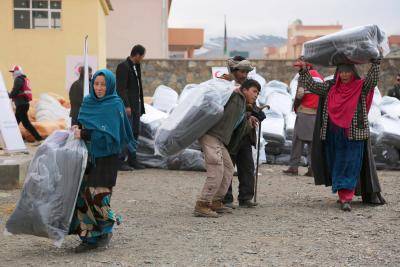
The new Afghanistan Emergency Food Security Project will boost the production of food crops for smallholder Afghan farmers and prevent the further deterioration of food security…reports Asian Lite News
The Food and Agriculture Organization of the United Nations (FAO) welcomed an unprecedented $150 million contribution from the World Bank to provide critical livelihood and life-saving assistance to the most vulnerable rural populations in Afghanistan, while boosting local food production and smallholder resilience.
Some 19.7 million people, almost half of Afghanistan’s population, are facing acute hunger, meaning they are unable to feed themselves on a daily basis, according to the latest Integrated Food Security Phase Classification (IPC) analysis released in May by the Food Security and Agriculture Cluster partners, including the FAO, the United Nations World Food Programme (WFP) and many non-governmental organisations (NGOs).
High levels of acute food insecurity persist across Afghanistan due to a combination of a collapsing economy and continuing drought.
The ripple effects from the war in Ukraine are exacerbating the food security situation, pushing food prices to new highs, increasing the costs of vital agricultural inputs, especially fertilizer, and placing pressure on countries in the region supplying wheat to Afghanistan to restrict food exports, giving priority to their respective domestic consumption.
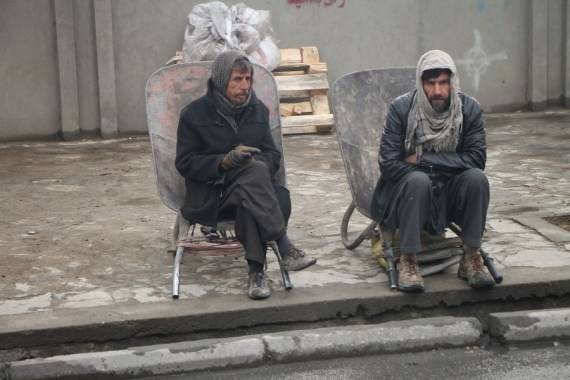
The new Afghanistan Emergency Food Security Project will boost the production of food crops for smallholder Afghan farmers and prevent the further deterioration of food security.
This is the first tranche of a total amount of $195 million, another $45 million will be released within the next 24 months.
“We are grateful to the World Bank and its Members for the generous and timely contribution,” said FAO Director-General QU Dongyu.
“It is a historic moment for poor farmers in Afghanistan, and it represents an important milestone in our collective efforts to deliver results at scale, avert a looming catastrophe and make real transformative differences in the lives of vulnerable people,” Dongyu added.
FAO will be the sole implementing partner for the funding, and this work will be centred around two main components.
First, it will focus on wheat production, supporting about 2.1 million people, that will be reached each year through the November 2022 and March-November 2023 planting seasons.
The project will also provide focussed support on the nutritional needs of children, people with disabilities or chronic illness, and households headed by women by providing seeds and basic tools for backyard kitchen gardening and technical training on improved nutrition and climate-smart production practices.
Almost one million people will benefit from this support and these inputs, particularly targeting rural women.
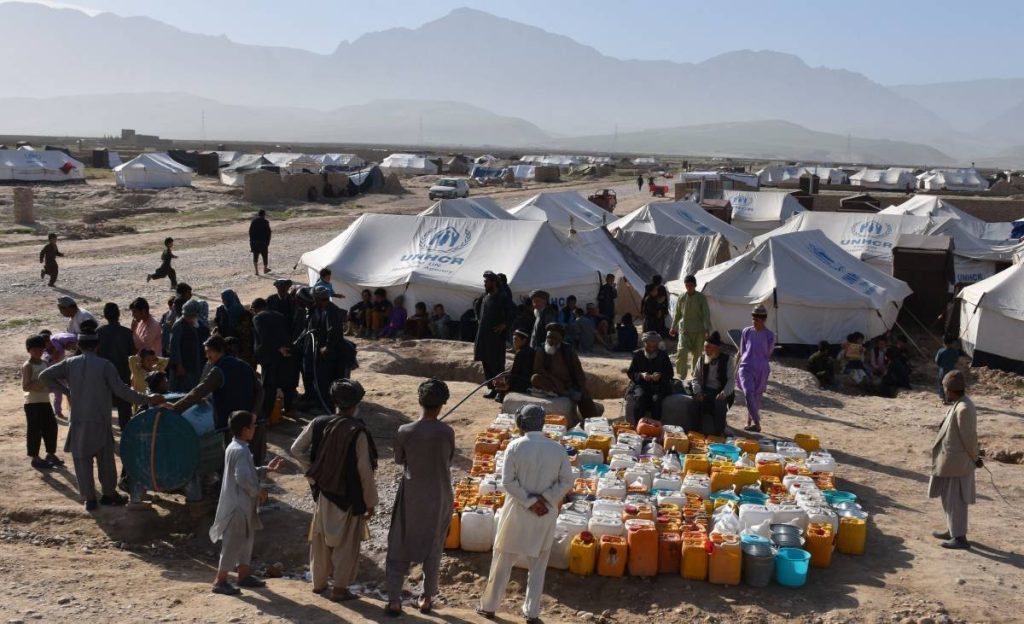
About 150,000 women will receive training on improved cultivation techniques and nutrition. The project will enhance linkages for both farmers and women involved in gardening with local markets to facilitate the sale of marketable surpluses of wheat, vegetables and legumes.
Second, the project will also increase access to irrigation water, improve soil and water conservation, and bolster climate resilience by supporting the rehabilitation and improvement of selected irrigation and watershed management systems of over 137,000 hectares of land.
Under this component, more than 1.9 million people will benefit from cash for work activities for the restoration of irrigation infrastructure and watershed management.
The FAO food security project is one of the three projects totalling $793 million approved by the World Bank to provide urgent and essential livelihood and health services, in addition to food assistance, to the people of Afghanistan.
The World Bank support reinforces other ongoing FAO programmes in Afghanistan, funded by the Asian Development Bank and other donors, which combine to provide both immediate life-saving and livelihood-protecting assistance with activities that lay down pathways for longer-term recovery and resilience-building.